At the UF Digital Worlds Institute, I didn't just study animation — I lived the full life of a working animator. I moved through two formal roles (Apprenticeship and Internship), an independent study with a Netflix animator, and countless collaborative projects spanning 2D animation, 3D modeling, stop motion, game design, UI/UX, and more.
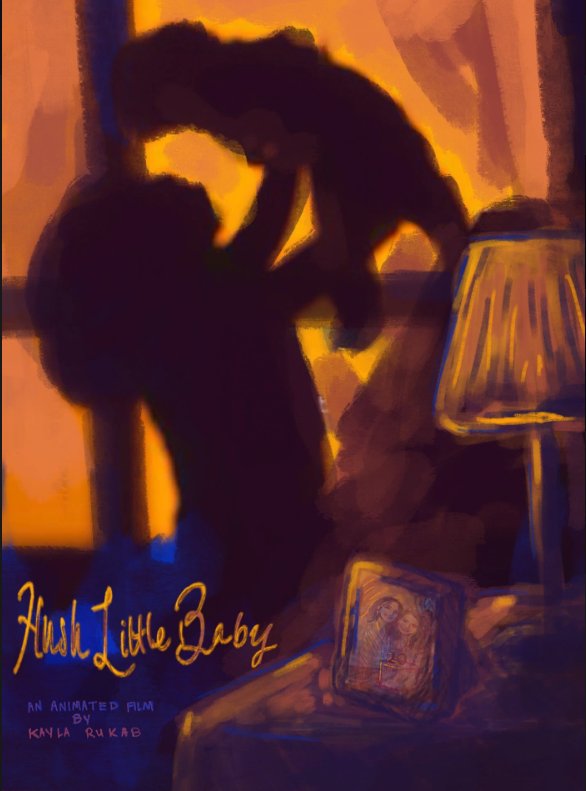
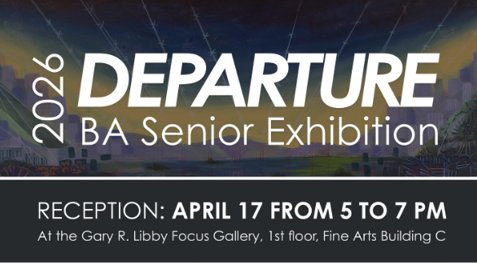
The defining achievement of my time at DWI was Hush Little Baby — my senior animated film, for which I managed the entire creative pipeline solo, from the first concept sketch through final post-production. It was presented at Convergence 2026 in front of thousands of guests and recruiters from major tech companies including Disney, Nickelodeon, and EA.
Alongside my own practice, I held a mentorship role guiding students one-on-one through animation, game design, and digital media — reinforcing my belief that teaching and making are inseparable parts of a creative life.
Senior Film — Hush Little Baby
Hush Little Baby is a 2D animated short film written, directed, illustrated, and animated entirely by me. Every stage of the production pipeline — from the first concept sketch to the final sound mix and marketing materials — was handled independently. Below is the full pipeline, step by step.
01
Conceptualize
Developed the story concept, themes, and emotional arc of the film. Wrote the narrative structure and defined the visual and tonal direction — establishing the world of Hush Little Baby from scratch.
02
Storyboard
Boarded every scene shot by shot — planning camera angles, character staging, timing, and emotional beats before a single frame was animated. The storyboard served as the blueprint for the entire production.
03
Environment Design
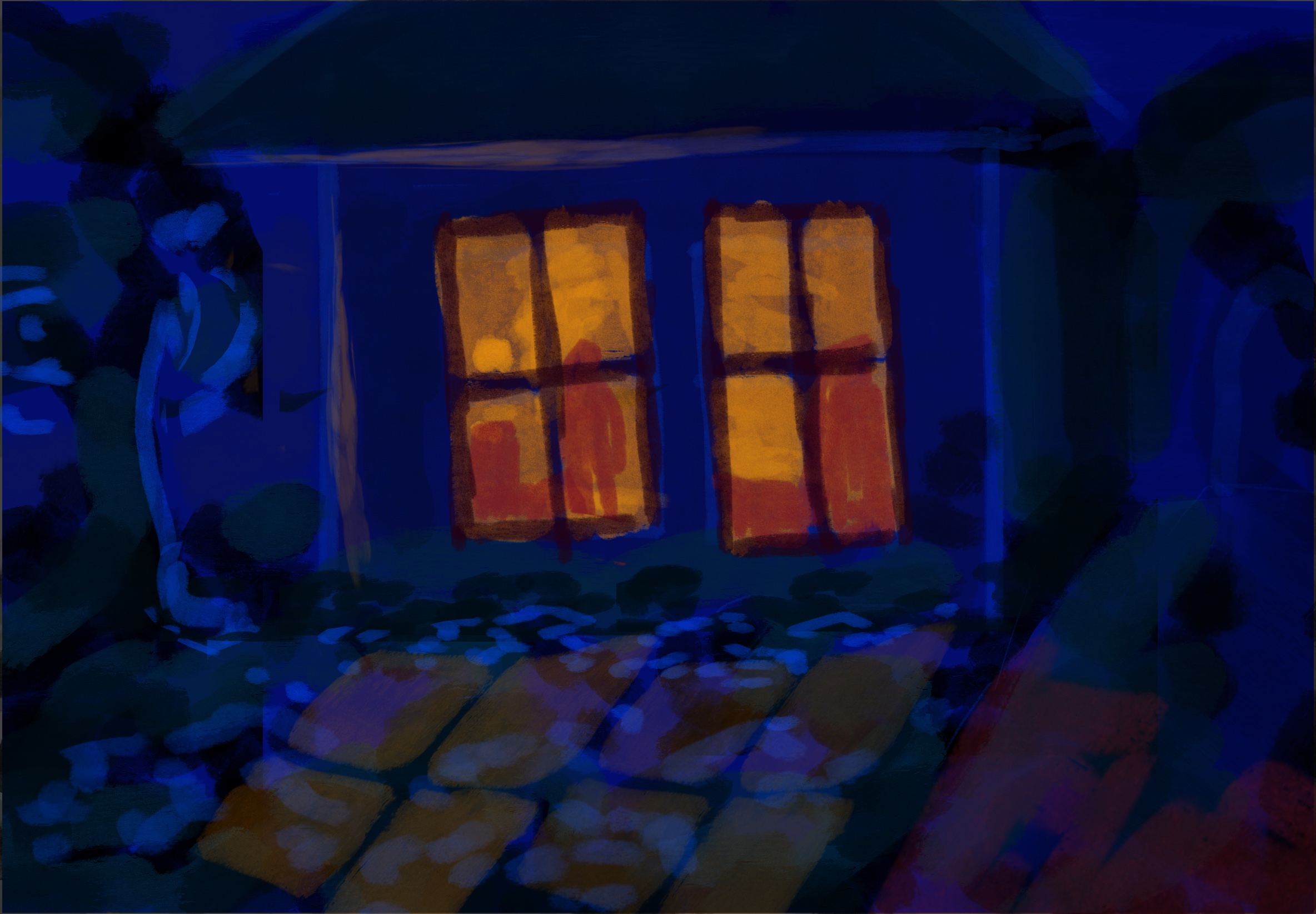
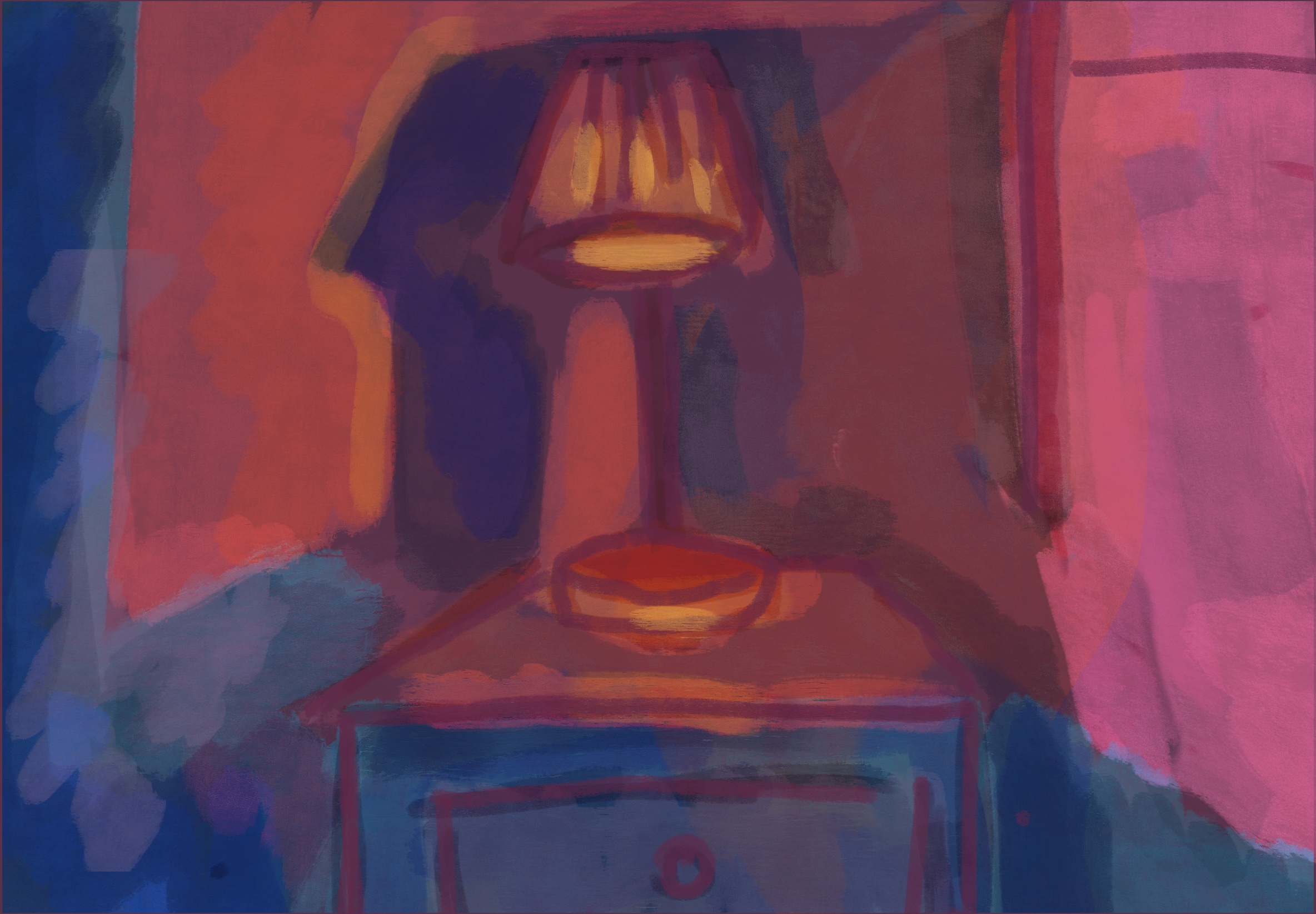
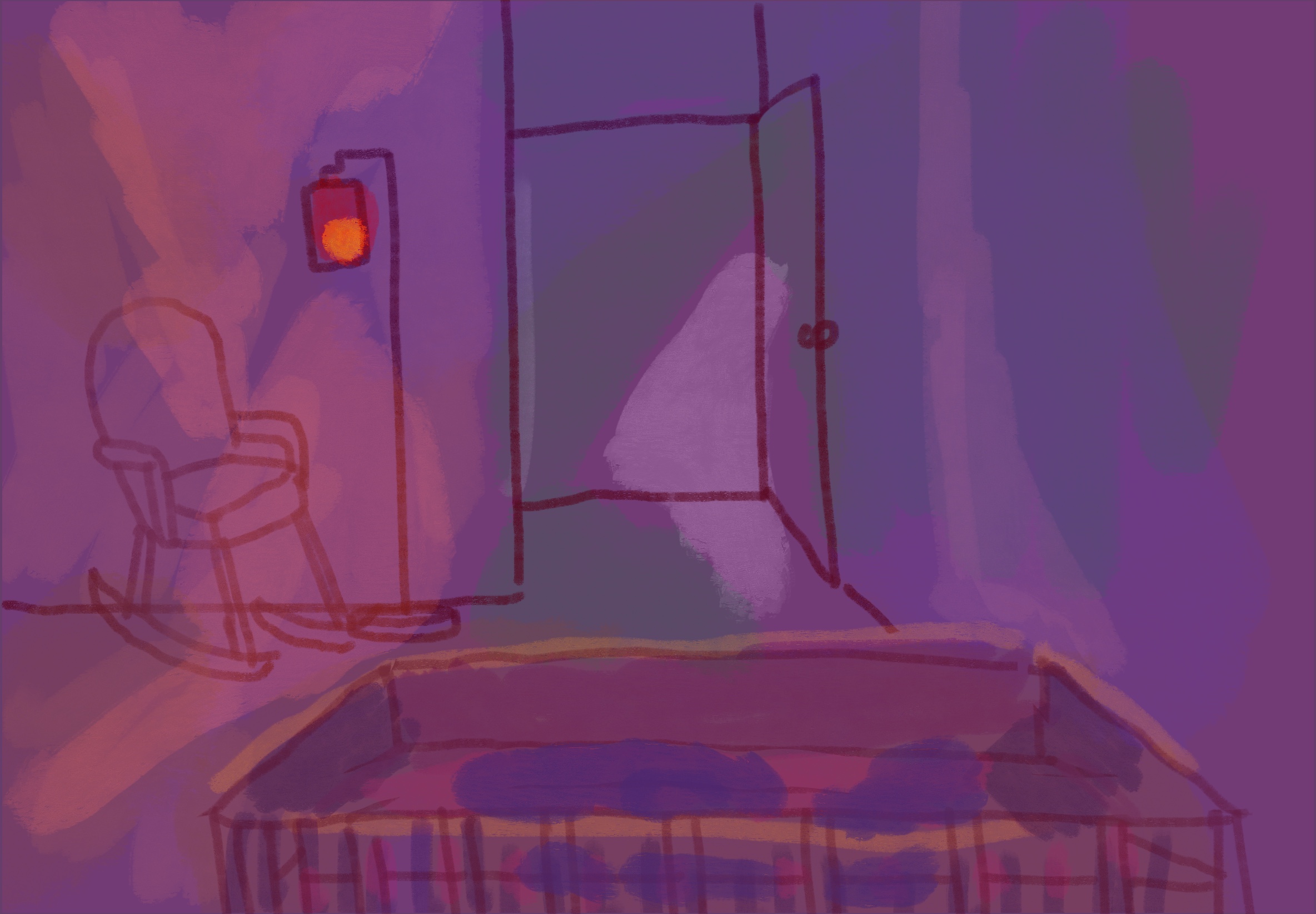
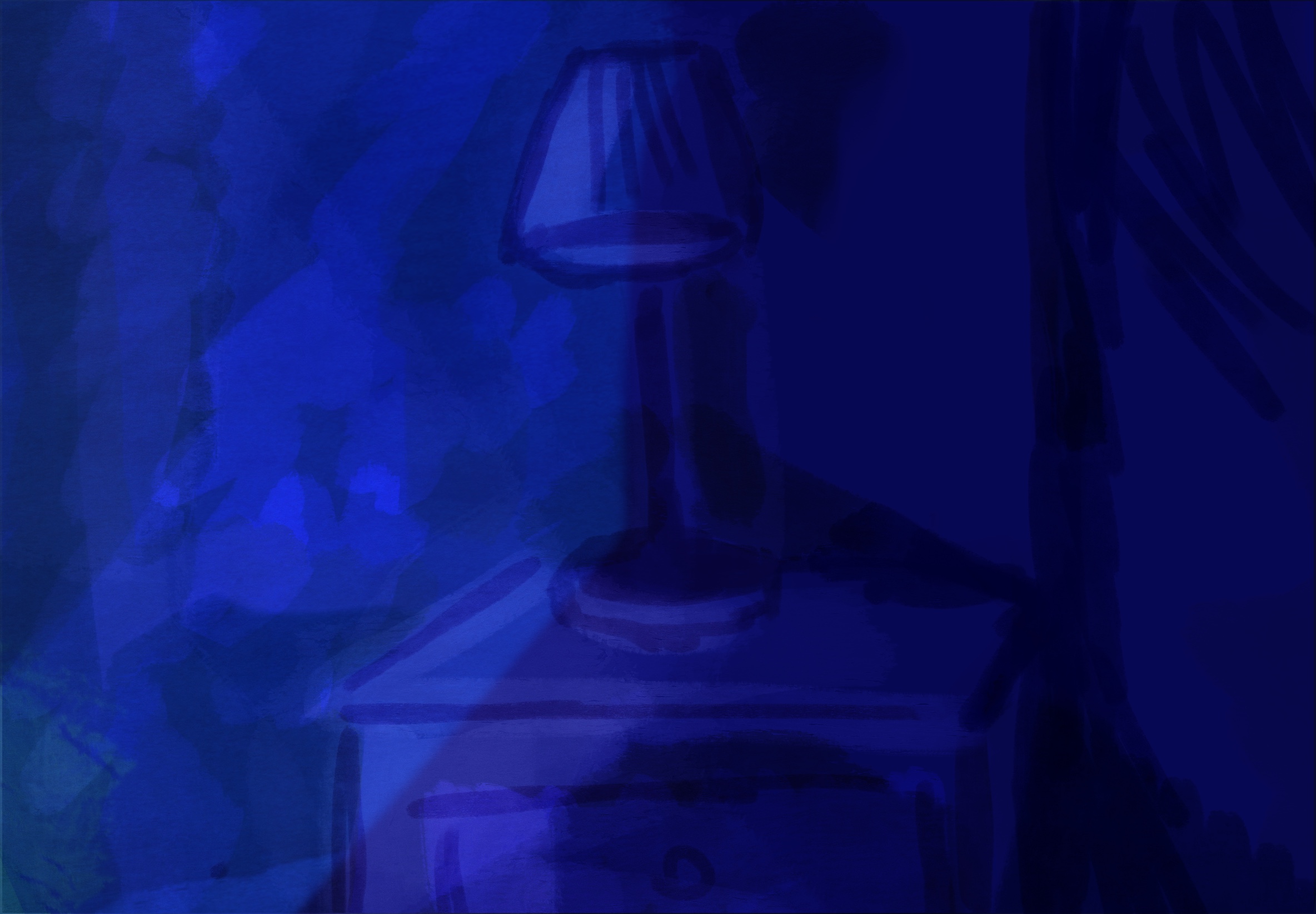
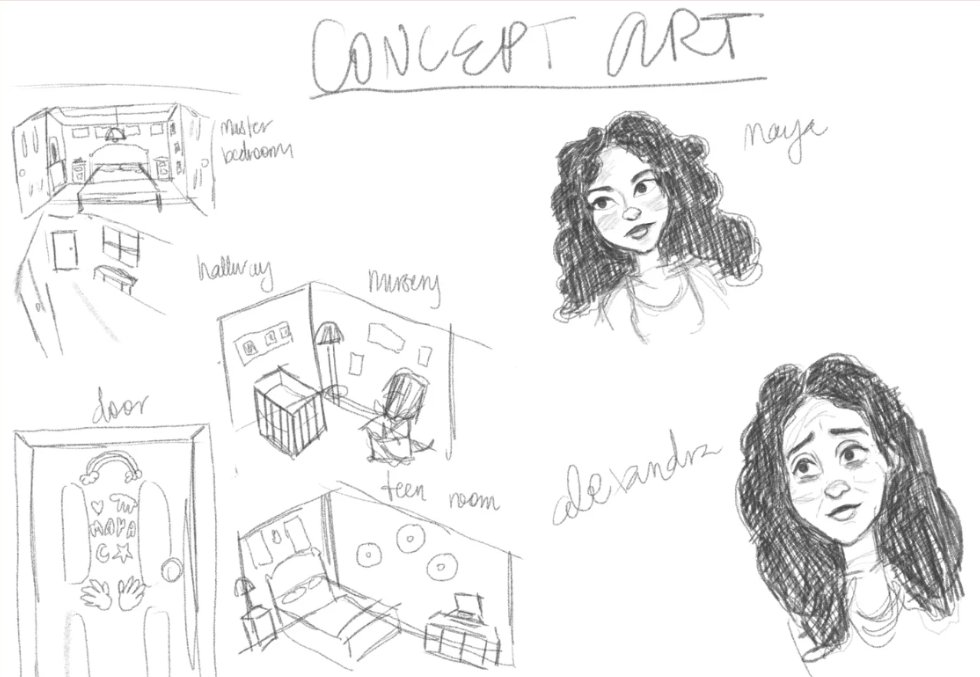
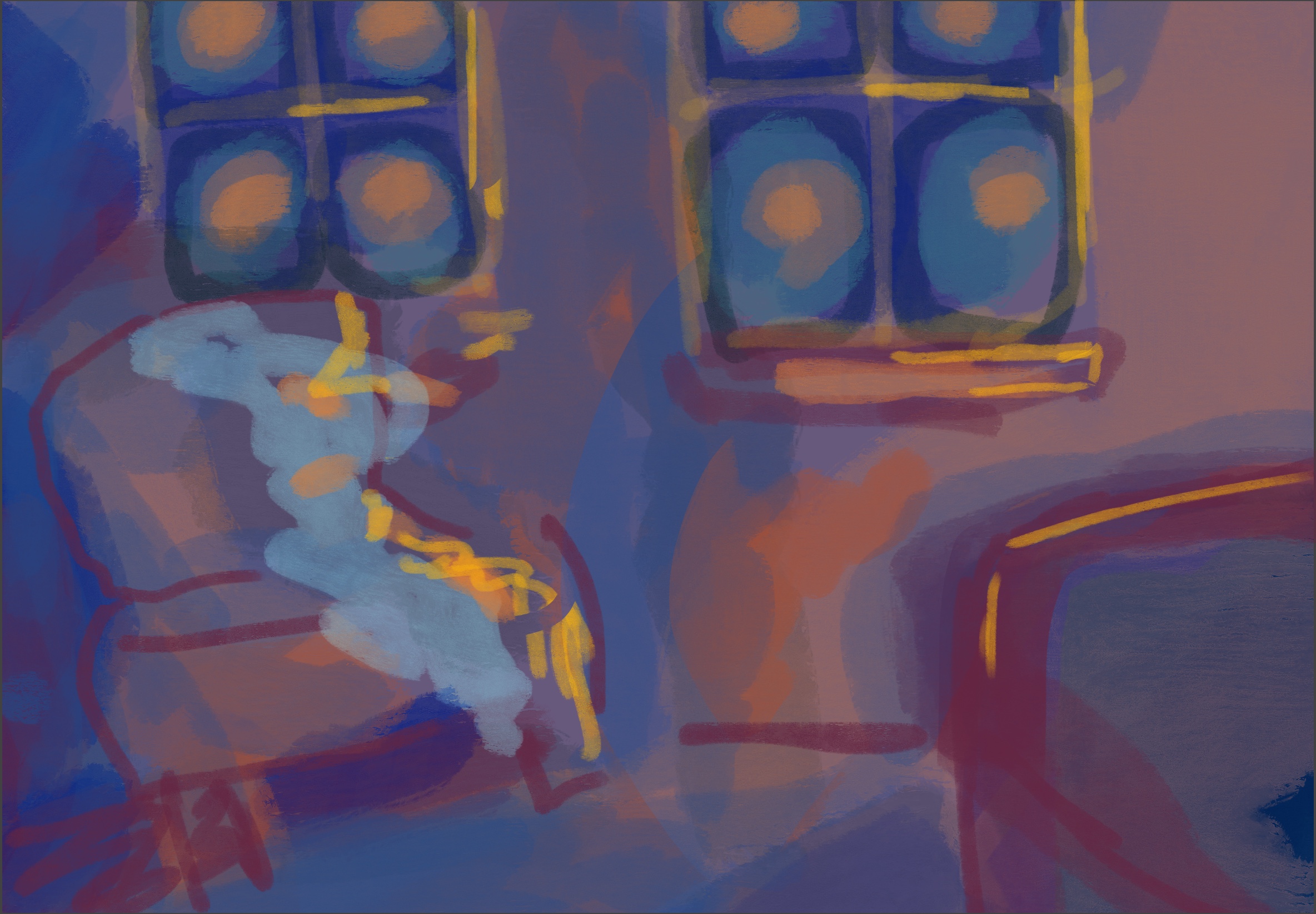
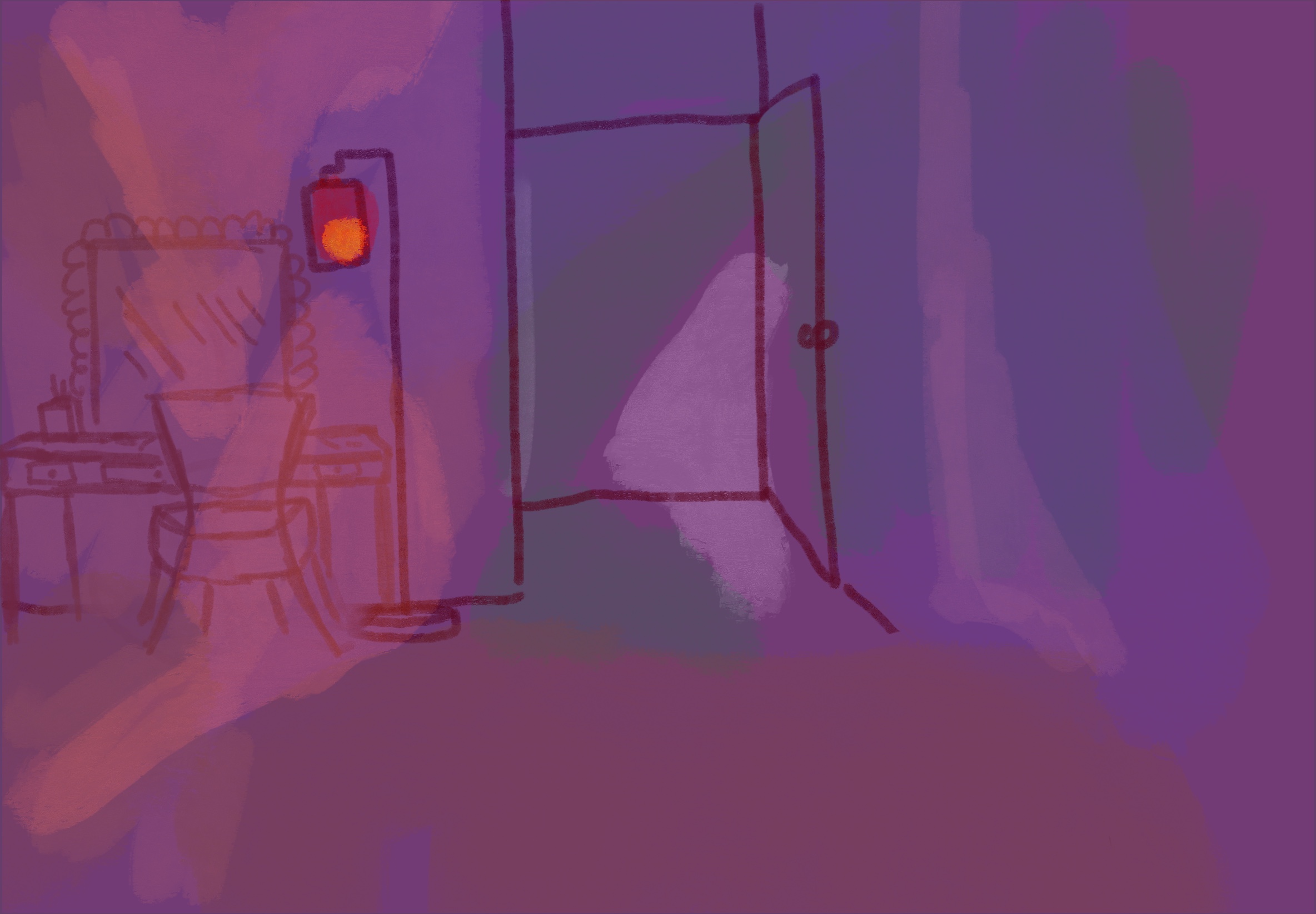
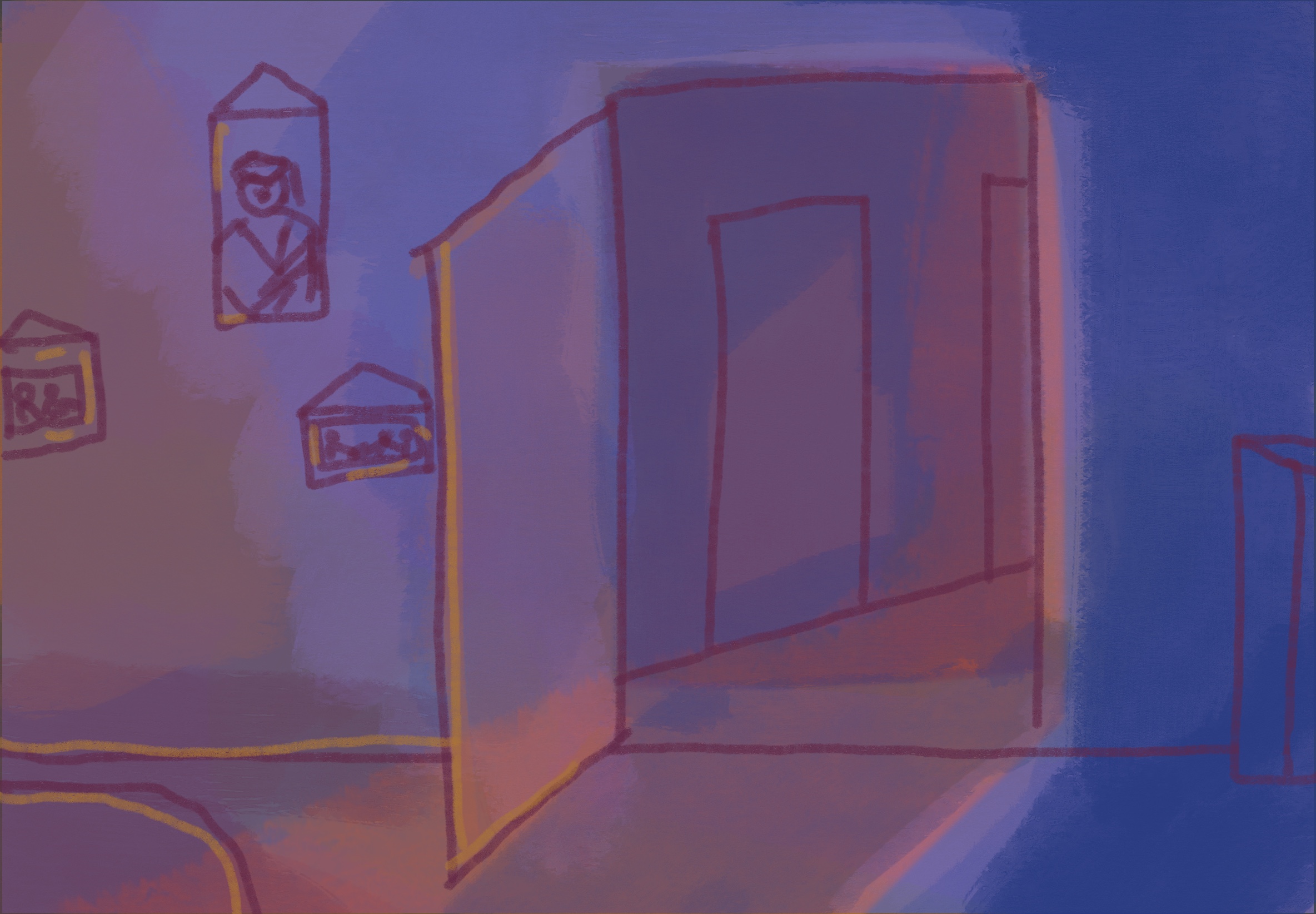
Designed and painted all environments in the film — including the exterior night scene, living room, nursery, and bedroom. Each space was color-keyed to support the emotional tone of the scene it appears in.
04
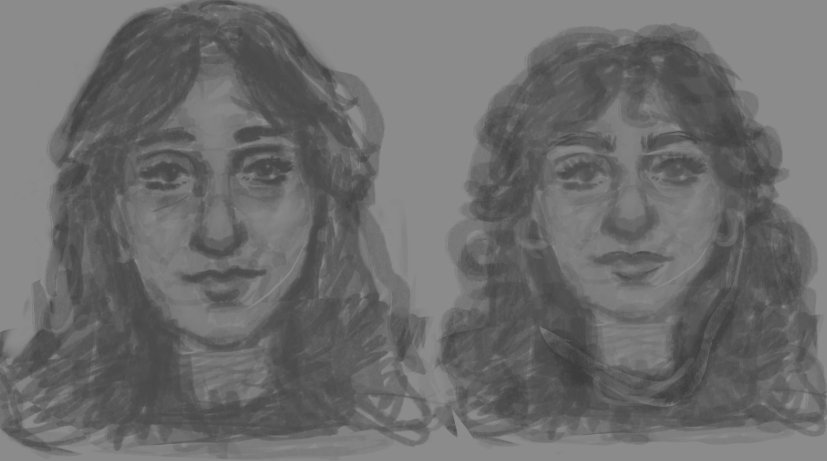
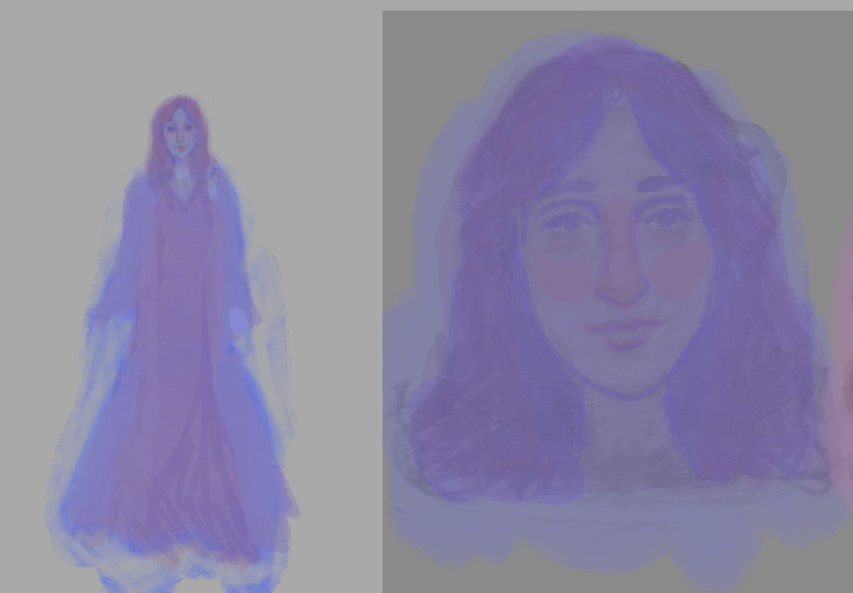
Character Design
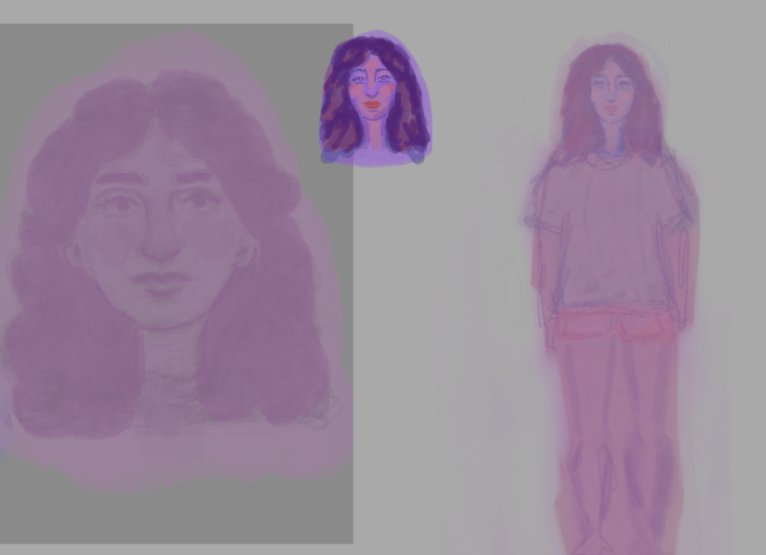
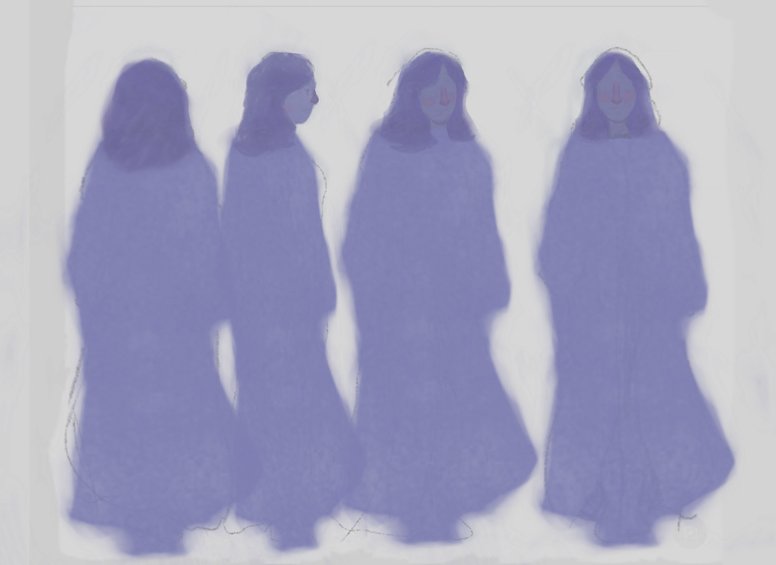
Developed full character designs for both leads — including face studies, color explorations, full turnarounds, and expression sheets. Each character's visual design was built to support performance and reflect their emotional journey.
05
Film Reference Footage
Filmed live-action reference footage of myself performing key scenes — studying body mechanics, weight, and timing to ground the animation in believable physical performance. This reference became the foundation for all character movement.
06
Break Down Poses
Blocked out key poses and breakdowns for every animated sequence — establishing the major positions before filling in the in-between frames. This phase is where the performance takes shape and the animation begins to breathe.
07
Polish
Refined every scene — smoothing curves, adjusting timing, correcting line quality, and finalizing color. This phase is where rough animation becomes finished film, requiring patience, precision, and a strong eye for detail.
08
Post Production
Composited all elements in Adobe Premiere Pro — assembling scenes, applying color grading, integrating sound, and delivering the final export. Post-production is where all the individual pieces become a unified film.
09
Sound Design
Designed and mixed the full audio landscape of the film — sourcing, editing, and layering ambient sound, foley effects, and music to support the emotional arc. Sound design is often invisible when done well, but it is half the experience.
10
Marketing Materials
Designed the film poster, promotional assets, and presentation materials for Convergence 2026 — ensuring the film had a cohesive visual identity from the first impression to the final frame.
Behind the Scenes & Animatic
Character Development
Environment Art
Independent Study — Chelsea Cantrell, Netflix Animator
Through an independent study with Chelsea Cantrell — a working Netflix animator — I explored experimental stop motion animation using cyanotype, a historic photographic printing process. This study pushed me outside digital tools entirely, working with light-sensitive chemicals, physical objects, and analog processes to create animation frame by frame.
Cyanotype stop motion · Experimental stop motion
3D Modeling & Rendering — Cinema 4D
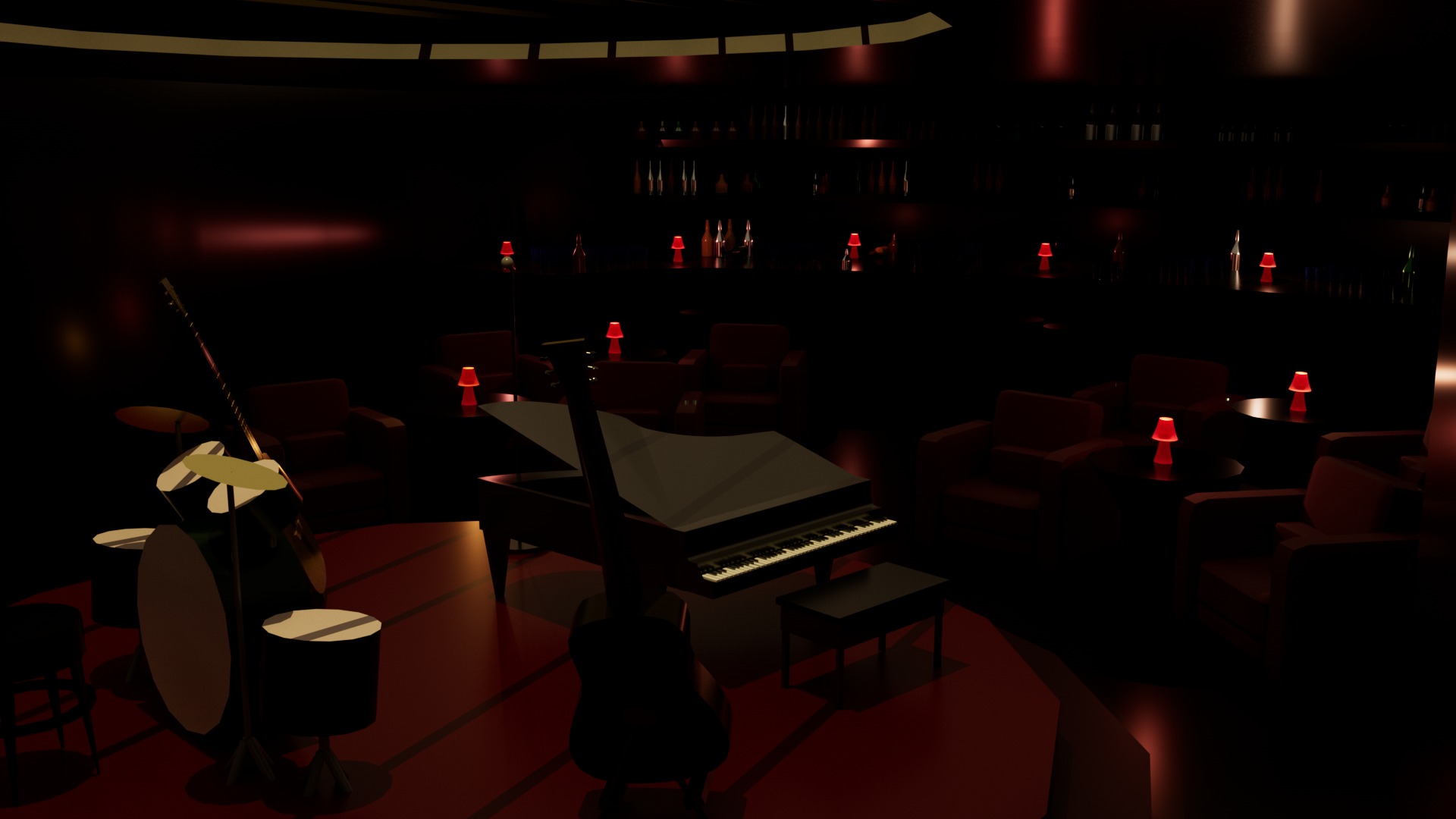
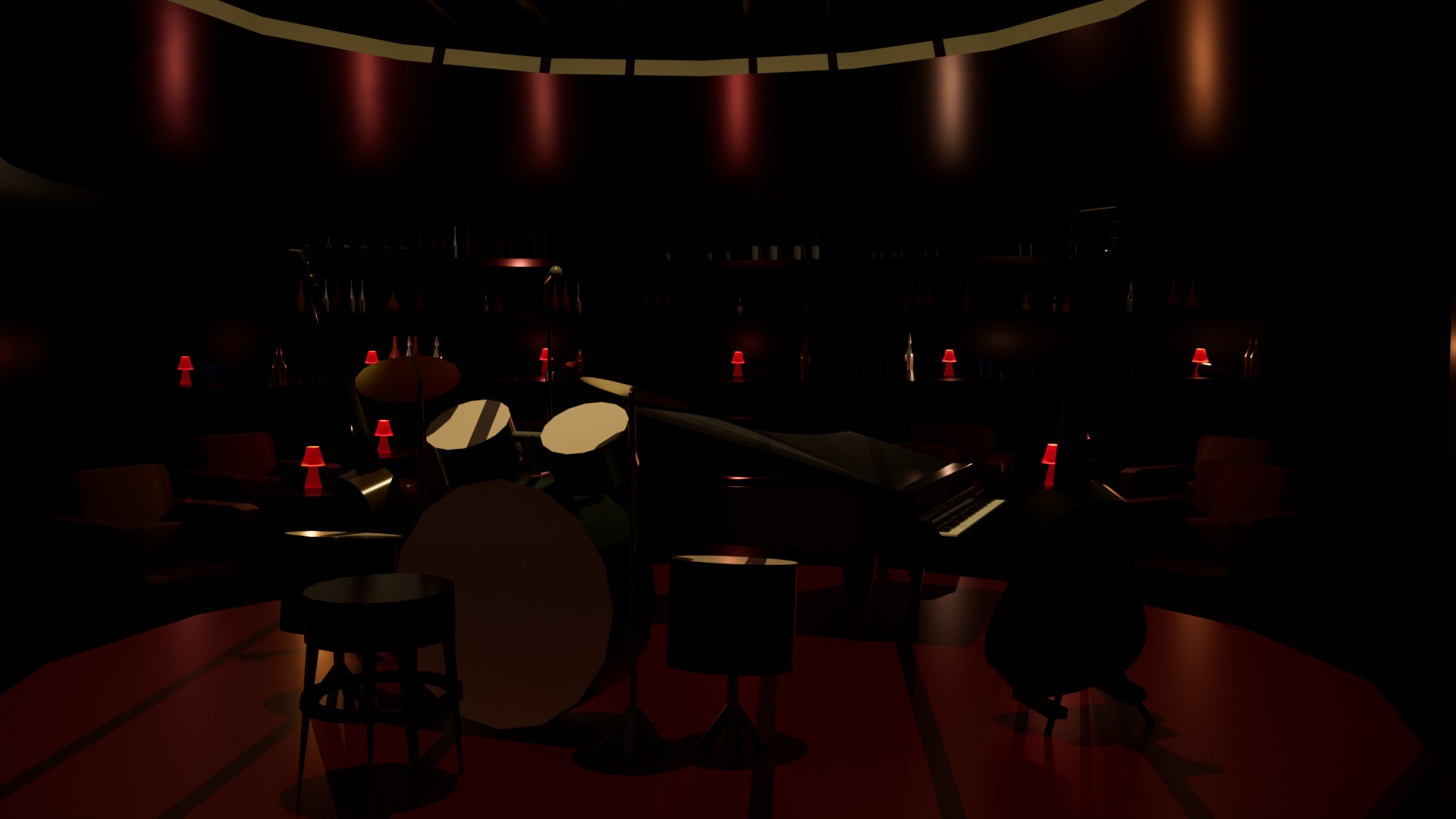
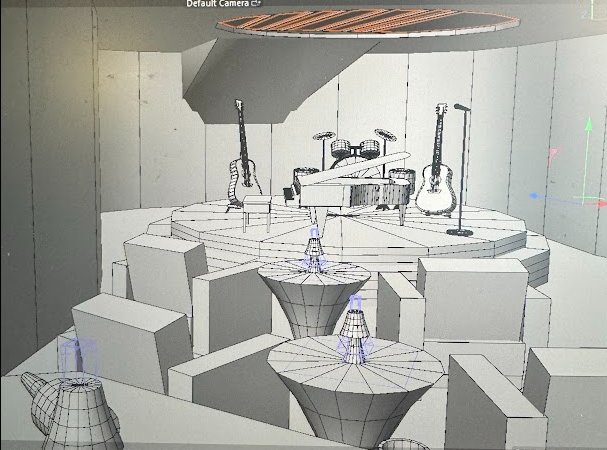
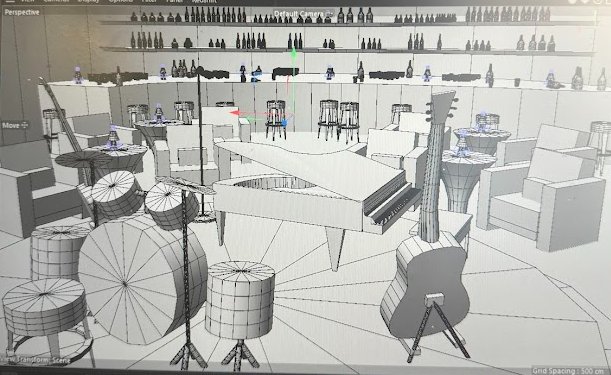
Across multiple projects I built and rendered complete 3D environments and character animations in Cinema 4D — including a fully modeled and lit music venue scene complete with instruments, furniture, architectural detail, textures, and HDRI lighting. The process began with low-poly modeling of each asset, followed by UV unwrapping, texturing, rigging for animation, and final rendering with professional lighting setups. The result is a fully realized jazz bar environment — built entirely from scratch in Cinema 4D.
Mentorship
As a Mentor (Internship) at the UF Digital Worlds Institute, I worked one-on-one and in small groups with students across animation, game design, and digital media production — one of the most formative roles I've held in my career so far.
My mentorship work went beyond reviewing assignments. I sat with students inside their creative processes — helping them untangle conceptual blocks, rebuild broken pipelines, and find their own visual voice. Whether it was walking a student through rigging a character in Cinema 4D, helping someone rethink the pacing of their animatic, or coaching a first-time game designer through scope management, every session demanded that I translate technical knowledge into language that met the student exactly where they were.
I guided students across disciplines including 2D animation, stop motion, 3D modeling, game design, and digital media production. I provided feedback on technical execution, storytelling structure, and creative strategy — modeling the kind of professional habits that survive outside the classroom: meeting deadlines, receiving critique gracefully, iterating without losing momentum.
What this role gave me was something no individual project could — a systemic understanding of how people learn creative work. Having to explain animation principles clearly enough for a beginner deepened my own mastery. Having to inspire a student who was stuck reminded me why I make work in the first place. I left this role a stronger artist, a clearer communicator, and a more patient collaborator.